
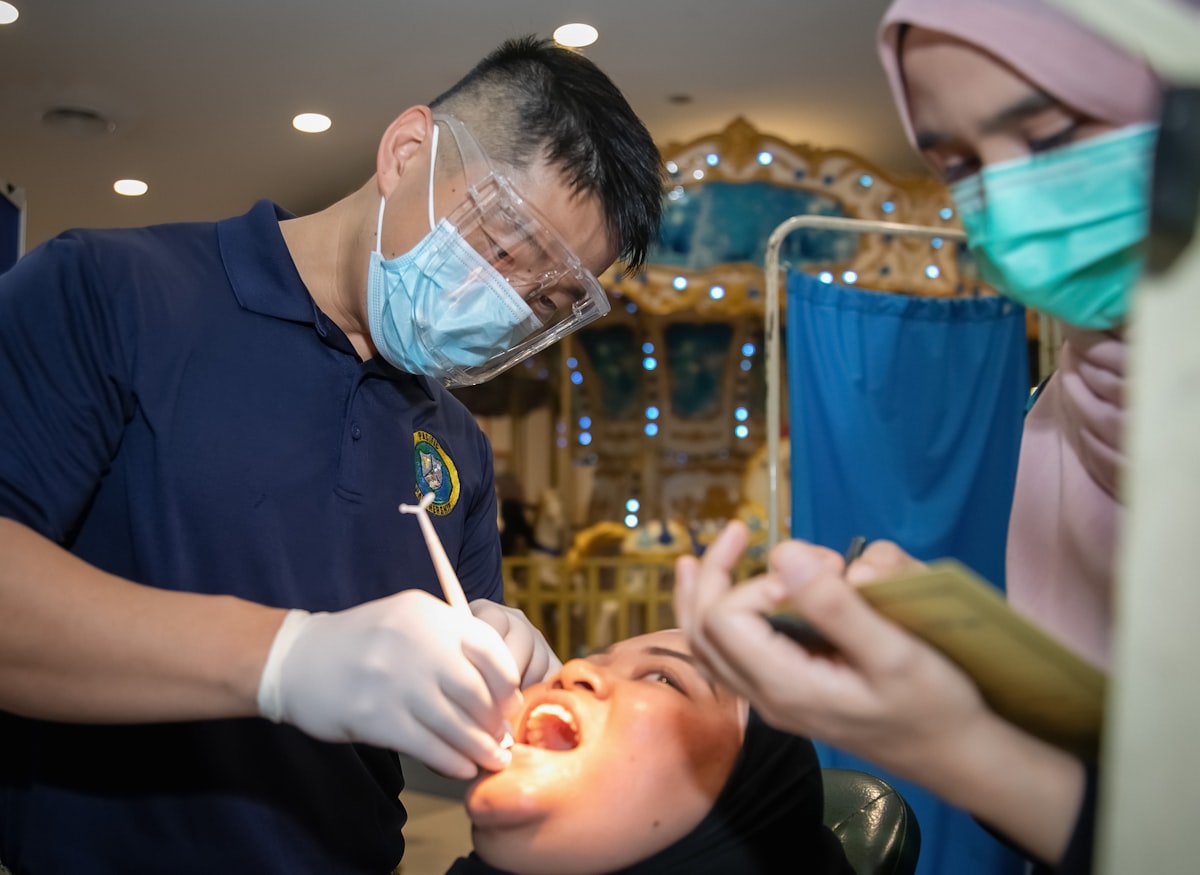
Understanding Patient Engagement in Dentistry
Patient engagement refers to the process of involving patients in their own healthcare decisions and encouraging them to take an active role in managing their health. In the context of dental care, patient engagement is vital as it can significantly impact treatment outcomes and overall patient satisfaction. Engaged patients are more likely to adhere to treatment plans, attend regular check-ups, and maintain good oral health habits.
Research shows that engaged patients experience better health outcomes. According to a study published by the American Dental Association (ADA), patient engagement can lead to a 25% improvement in adherence to treatment recommendations. Furthermore, effective engagement fosters a sense of trust and partnership between the patient and the dental care team, which is crucial in building long-term relationships.
Effective communication plays a critical role in building this trust. When dental practices employ clear and empathetic communication strategies, they can better understand patients' concerns and needs. This not only enhances patient satisfaction but also helps in making informed decisions about their care. By creating an open dialogue, dental professionals can encourage patients to express their preferences and concerns, paving the way for a more personalized and effective dental experience.
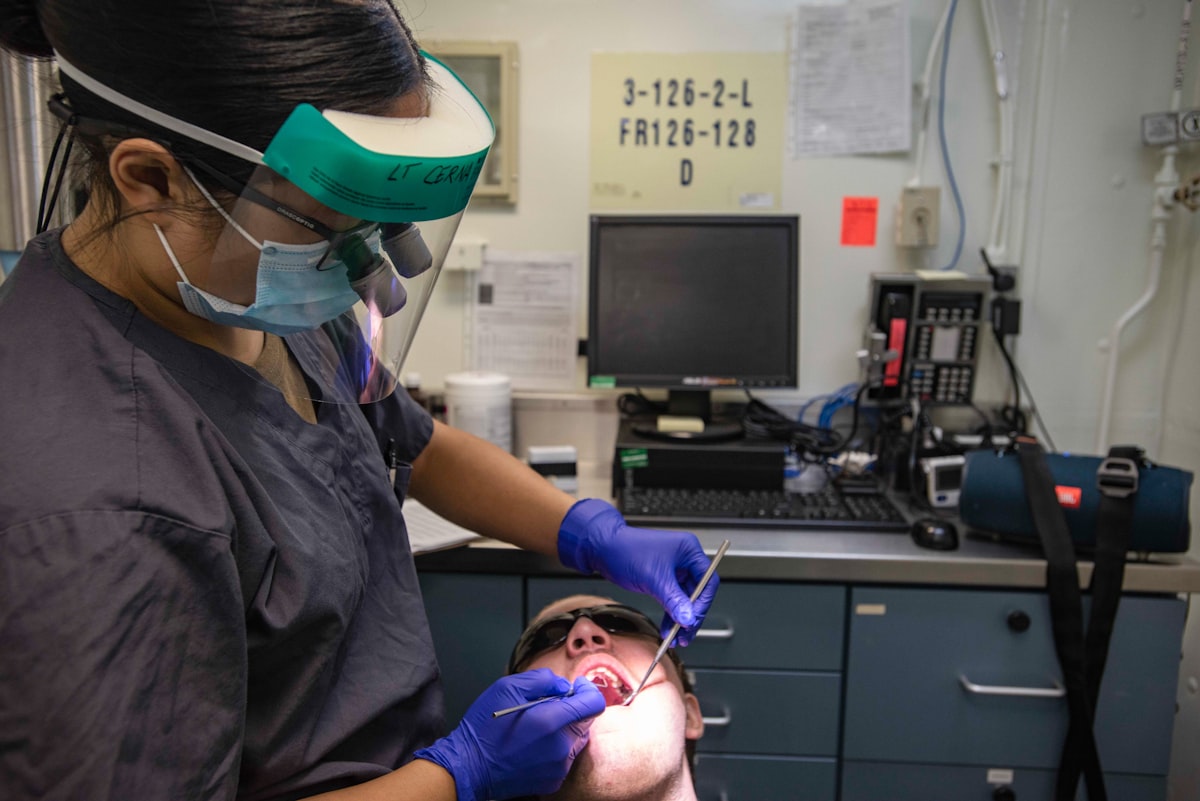
The Role of Technology in Patient Engagement
In today's digital age, technology plays a pivotal role in enhancing patient engagement within dental practices. Advancements in dental technology have revolutionized how practices communicate with their patients and manage their care. Various tools, such as patient management software and communication platforms, can facilitate better engagement.
Patient management software allows dental practices to streamline appointment scheduling, reminders, and billing processes, making it easier for patients to interact with their providers. These platforms often come equipped with communication tools that enable practices to send automatic reminders about appointments, follow-up care, and preventive health measures. This proactive approach not only reduces no-shows but also keeps patients informed and engaged with their care.
Telehealth and virtual consultations have also gained traction in recent years, particularly in the wake of the COVID-19 pandemic. These options allow patients to connect with their dental providers from the comfort of their homes, making it easier to seek advice or care for non-emergency issues. Virtual consultations can enhance patient relationships by providing more flexibility and accessibility, fostering a sense of connection, and encouraging patients to reach out when needed.
Furthermore, technologies like AiScriba can help dental practices manage calls and inquiries around the clock, ensuring that no patient feels neglected. By using automated solutions, practices can enhance their operational efficiency while maintaining a high level of patient engagement.

Best Practices for Engaging Patients Before Their Visit
Engaging patients before their visit sets the stage for a positive dental experience. Implementing effective appointment reminders and confirmations is a straightforward yet powerful strategy. Utilizing automated systems to send reminder texts, emails, or calls can significantly decrease the likelihood of missed appointments, ensuring that patients remain engaged and accountable for their care.
Pre-visit engagement can also be achieved through educational content and resources. Sharing information about the upcoming procedure, potential outcomes, and aftercare tips can empower patients to feel more prepared and involved in their care. This could be in the form of brochures, videos, or links to informative articles shared via email or social media.
Speaking of social media, this platform serves as a valuable tool for connecting with patients and building community. Dental practices can utilize their social media presence to share educational content, promote events, and engage with patients directly. Regular updates, interactive polls, and Q&A sessions can encourage patients to participate actively and feel more connected to their dental home.
Enhancing In-Office Patient Experience
Creating a welcoming and comfortable environment in the dental office is essential for enhancing the patient experience. The first impression can set the tone for the entire visit, so practices should consider elements such as decor, seating, and overall atmosphere. A bright, clean, and inviting waiting area can help patients feel at ease as they prepare for their appointments.
Training staff on engagement techniques and customer service is equally vital. Front desk personnel, dental hygienists, and dentists should all be equipped with communication strategies that promote positive interactions. This includes active listening, empathy, and the ability to address patient concerns calmly and respectfully. Staff who are well-trained in patient engagement can create a more welcoming atmosphere, ultimately leading to higher patient satisfaction.
Utilizing patient feedback is another effective method for improving in-office interactions. Regularly gathering feedback through surveys or comment cards can provide valuable insights into the patient experience. Practices can use this information to address concerns, streamline processes, and enhance overall service quality, ensuring that patients feel heard and valued.
Post-Appointment Follow-Up Strategies
Following up with patients after their visits is crucial for maintaining engagement and fostering loyalty. This communication can include thank-you messages, appointment reminders for future visits, or follow-up care instructions. A simple follow-up can remind patients that their dental health is important to the practice, reinforcing a sense of care and connection.
Gathering patient feedback after appointments is also essential. Practices can use tools such as surveys to assess patient satisfaction and identify areas for improvement. This data can be instrumental in shaping future engagement strategies and demonstrating to patients that their opinions are valued.
Creating loyalty programs can further encourage return visits and enhance patient engagement. For instance, practices can implement referral programs or offer discounts for consistent attendance. Such initiatives not only reward loyal patients but also create a sense of belonging within the practice community.
Educational Initiatives to Boost Patient Engagement
Education is a powerful tool for boosting patient engagement. Offering workshops and seminars on relevant dental health topics can provide patients with valuable information while fostering a sense of community. These events can cover a range of subjects, from proper brushing techniques to the importance of regular check-ups.
Creating informative newsletters and blogs can also serve as effective channels for patient education. Regularly sharing updates, oral health tips, and practice news can keep patients informed and engaged. Additionally, these resources can serve as a platform for showcasing patient success stories, demonstrating the positive impact of dental care.
Utilizing video content to explain procedures and care tips can make complex information more accessible and engaging for patients. Short, informative videos can address common questions, showcase dental procedures, and provide aftercare instructions, all while establishing the practice as a trusted source of information.
Building a Community Around Your Dental Practice
Building a sense of community around a dental practice can enhance patient loyalty and engagement. Community involvement has a profound impact on how patients view their dental provider. Participating in local events, sponsoring community sports teams, or hosting health fairs can demonstrate a commitment to the community while fostering relationships with current and prospective patients.
Engaging patients through local events and sponsorships can create opportunities for interaction outside of the dental office. This not only helps to build camaraderie but also positions the practice as an integral part of the community, enhancing its reputation and attracting new patients.
Leveraging patient testimonials and stories can also bolster credibility and foster trust. Sharing real patient experiences on the practice's website or social media platforms can motivate others to engage with the practice. Authentic stories and experiences resonate with potential patients, encouraging them to consider the practice for their dental needs.
Measuring Success in Patient Engagement
Implementing effective patient engagement strategies requires ongoing assessment and adjustment. Key performance indicators (KPIs) can be employed to track patient engagement levels. Metrics such as appointment attendance rates, patient satisfaction scores, and feedback response rates can provide valuable insights into the success of engagement efforts.
Utilizing surveys and feedback tools is vital for assessing patient satisfaction. Regularly seeking input from patients can help practices identify strengths and areas for improvement. By analyzing this data, practices can make informed decisions about their engagement strategies, ensuring they are meeting the needs and expectations of their patients.
Adjusting strategies based on data analysis is crucial for continuous improvement. Embracing a culture of feedback and adaptability allows dental practices to stay attuned to the evolving needs of their patient base. By refining engagement efforts and incorporating new technologies and approaches, practices can further enhance patient satisfaction and loyalty over time.