
Recent Updates in Dental Insurance
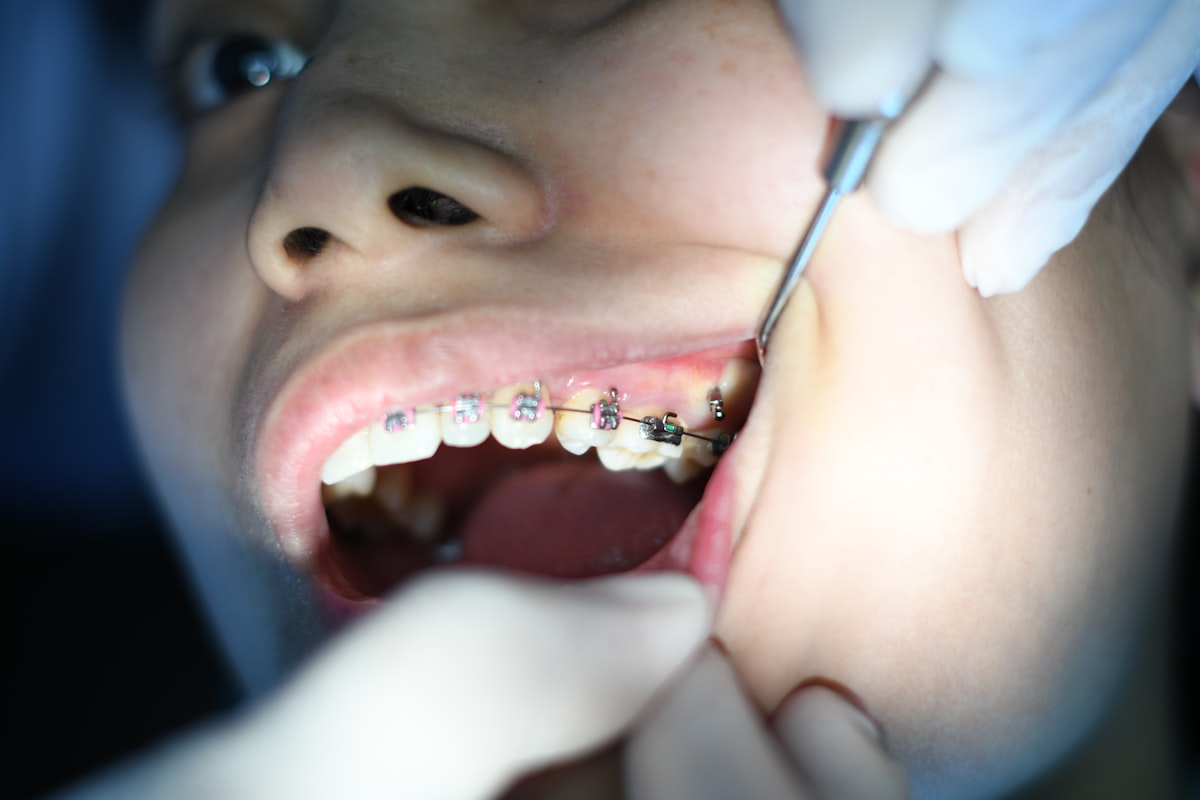
The landscape of dental insurance is continuously evolving, especially as we enter 2023. Recent updates in dental insurance policies reflect changing healthcare needs and economic pressures. For instance, many insurance companies have adjusted their coverage plans, often tightening restrictions on what is covered. This trend is particularly notable in preventive and major restorative services, where co-pays and deductibles have increased significantly.
One of the most pressing concerns impacting dental insurance coverage is the budget shortfalls affecting state Medicaid dental coverage. As state governments grapple with budget constraints, cuts to Medicaid programs are becoming more common. Many states are exploring ways to reduce their Medicaid expenditures, which often translates to reduced access to dental care for low-income individuals. For example, some states have begun to limit the types of dental services covered or have imposed stricter eligibility requirements.
Additionally, there are legislative proposals that may affect self-funded dental plans. These plans have traditionally provided more flexibility in coverage options but are now facing increased scrutiny regarding their benefit structures. Changes in legislation could redefine the way these plans operate, potentially impacting the benefits available to employees in various industries.
State-Specific Insurance Changes
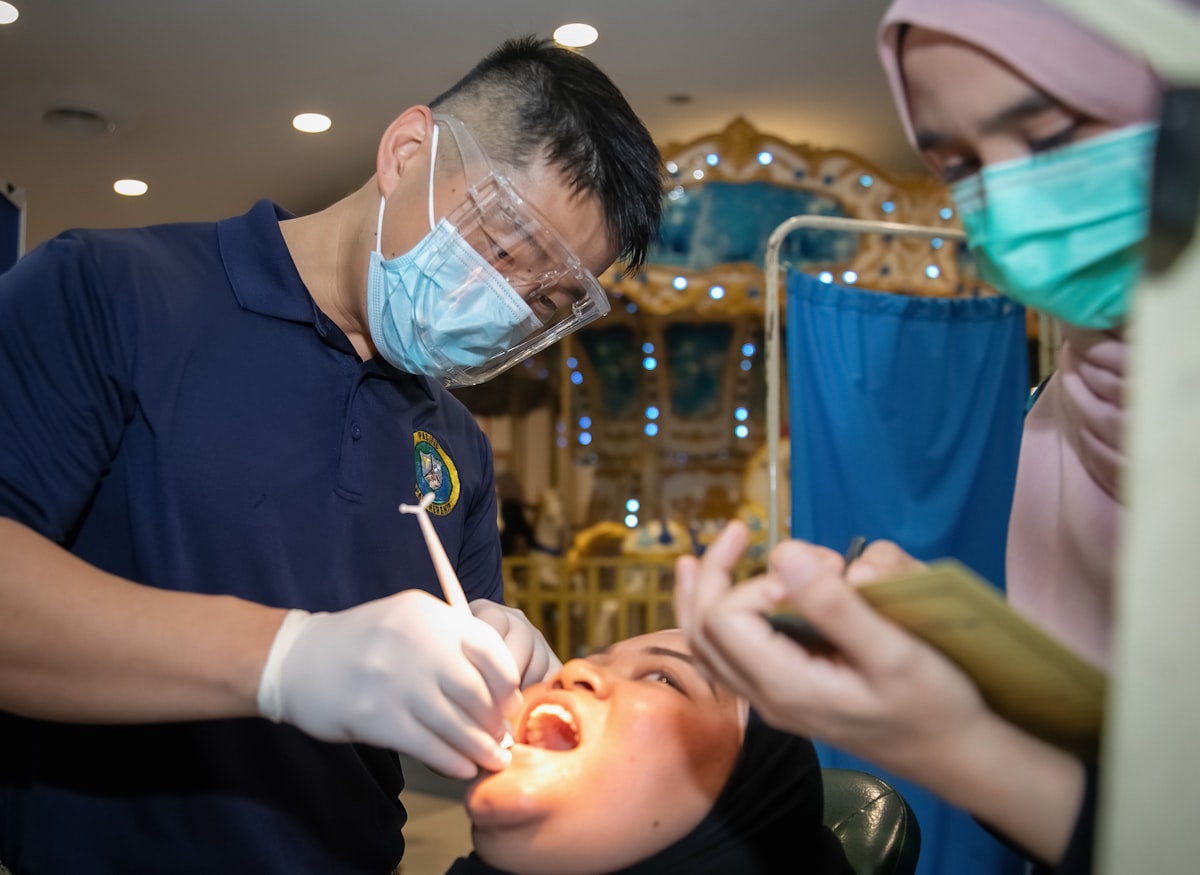
Several states are considering rollbacks of adult Medicaid coverage, which has significant implications for both patients and dental practices. For instance, states like Texas and Florida are discussing limiting or entirely eliminating dental services for adult Medicaid recipients. This rollback would exacerbate existing disparities in access to dental care and could lead to an increase in untreated dental issues within vulnerable populations.
Alongside these rollbacks, some states are implementing coverage caps on dental services. These caps restrict the total amount of dental care an individual can receive within a specific period, which can be detrimental to patients who require extensive treatment. Patients may find themselves facing tough decisions about which dental issues to address, potentially leading to worsened oral health outcomes over time.
These changes significantly affect dental practices, as they may see a decline in patient numbers due to reduced access to Medicaid-funded services. This could lead to lower revenues for practices that rely heavily on these programs. Moreover, practices may need to develop new strategies to accommodate patients without insurance or limited coverage, impacting their operational models.
Impact of Federal Legislation on Dental Insurance
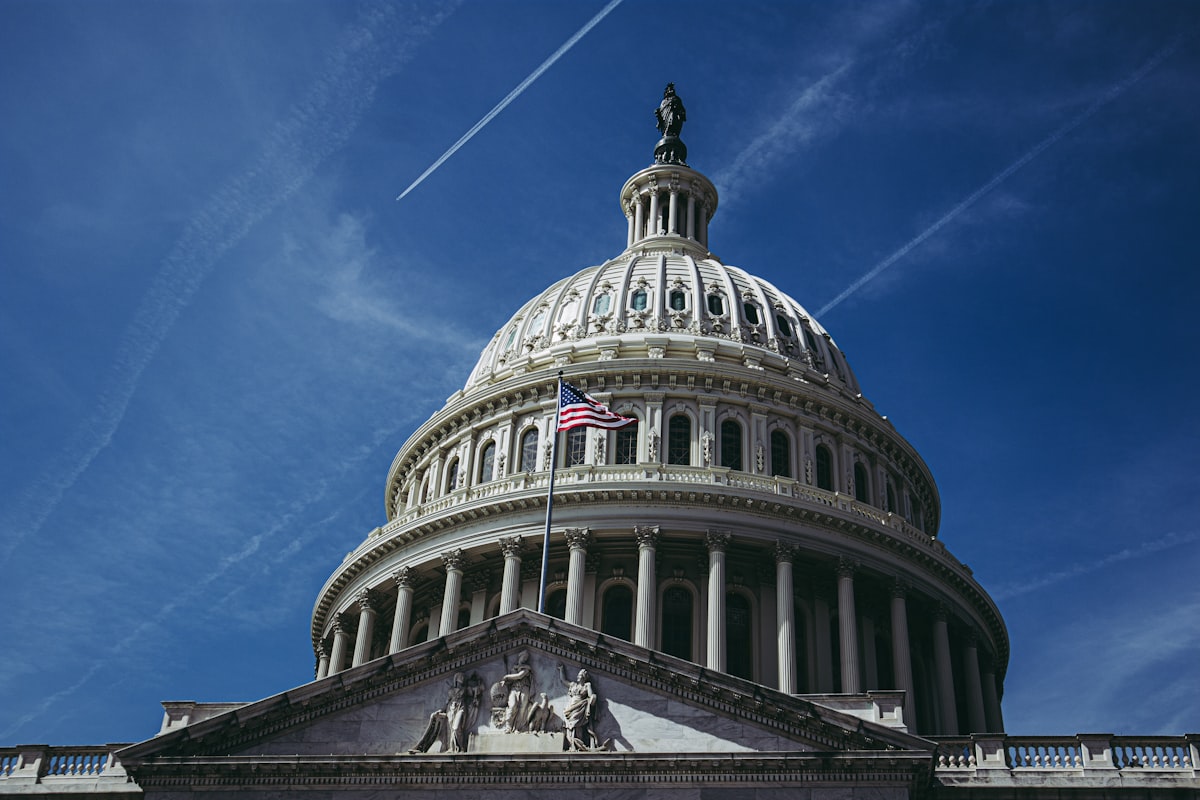
Federal legislation also plays a crucial role in shaping the dental insurance landscape. In 2023, there are several new bills being discussed that could have significant implications for dental coverage nationwide. One notable proposal includes expanding Medicaid dental benefits, which aims to enhance access to care for low-income individuals. If passed, such legislation could mitigate some of the challenges posed by state-level rollbacks and coverage caps.
Additionally, new federal regulations may influence state regulations regarding self-funded dental plans. The federal government is examining the need for standardized coverage minimums to enhance transparency and protect consumers. This shift could force states to align their regulations with federal standards, thereby making it easier for patients to understand their benefits and what services are available to them.
Congressional involvement is vital in shaping these changes, as lawmakers prioritize healthcare access and affordability. The ongoing discussions surrounding dental insurance could lead to significant reforms that improve the overall landscape for both providers and patients. As these legislative efforts unfold, dental practices must stay informed and adapt to the evolving regulations to ensure compliance and optimal service delivery.
Emerging Trends in Dental Education
As dental practices face numerous challenges, dental education is also in a state of transformation. Recent developments in dental schools across the country reflect a commitment to evolving educational standards and preparing the next generation of dental professionals. Many schools are incorporating more technology into their curricula to align with the advancements in dental practice.
Funding initiatives and partnerships are enhancing dental education significantly. Many dental schools are collaborating with healthcare organizations and government agencies to secure grants aimed at improving educational resources. These partnerships facilitate access to state-of-the-art equipment and technology, allowing students to gain hands-on experience with the tools and techniques they will use in their careers.
Moreover, dental schools are increasingly focusing on interprofessional education, where dental students train alongside students from other healthcare disciplines. This approach fosters a more holistic understanding of patient care and prepares future dentists to work collaboratively within healthcare teams.
Innovative Programs in Dental Schools
Among the most exciting developments in dental education are the introduction of new dental therapy programs. These programs aim to expand the skill sets of dental professionals and improve patient access to care. For instance, some schools are offering specialized training in areas such as pediatric dentistry and geriatric care, addressing the diverse needs of various patient populations.
A notable example is the Marquette School of Dentistry, which recently established a new endowed directorship focused on innovative educational strategies. This program seeks to enhance training in preventive care and patient communication, ensuring that graduates are well-prepared to manage the complexities of patient interactions in real-world settings.
The impact of innovative programs extends beyond the academic setting; they have significant implications for community dental health. By training dentists who are equipped to handle a variety of clinical situations, dental schools can contribute to reducing oral health disparities in underserved communities. These programs often include outreach initiatives that allow students to gain practical experience while providing care to those in need.
The Importance of Continuous Education for Dental Professionals
In today's fast-paced dental environment, continuous education is critical for dental practitioners. Ongoing professional development helps dentists stay current with the latest advancements in techniques, materials, and patient care strategies. As the field evolves, so too must the skills and knowledge of dental professionals.
The continuing education requirements for dental practitioners vary by state, but they typically include a certain number of hours devoted to specific topics such as infection control, clinical techniques, and ethics. Many dental professionals are also opting for additional certification courses that focus on specialized areas, such as oral surgery or cosmetic dentistry, to enhance their competencies.
Integrating new research and technologies into practice is another essential aspect of ongoing education. For example, learning about advances in digital dentistry, such as CAD/CAM technology and 3D printing, can revolutionize treatment planning and execution. Dentists who embrace these innovations can improve patient outcomes, increase efficiency, and ultimately enhance their practice's profitability.
Legislative Trends Affecting Dental Practices
The legislative landscape continues to evolve, with recent changes impacting dental practices in various ways. New regulations have been introduced regarding the way dental practices operate, including changes to insurance reimbursement rates and transparency requirements. These changes necessitate that dental practices stay abreast of compliance issues to avoid potential penalties.
Advocacy efforts from dental associations play a crucial role in shaping these legislative trends. Organizations such as the American Dental Association (ADA) are actively lobbying for policies that support the interests of dental professionals and their patients. These efforts aim to protect access to care, promote fair reimbursement rates, and foster innovation in dental healthcare.
Looking ahead, potential future legislation could further shape the industry. For instance, proposals around expanding dental benefits under federal programs may gain traction, especially as healthcare remains a prominent topic in national discussions. Dental practices must remain proactive and engaged with these legislative developments to ensure they can adapt to any changes and advocate for policies that benefit their patients and practices.
Challenges Facing Dental Practices in 2023
As the dental industry navigates the complexities of insurance changes and legislative updates, practices are facing a multitude of challenges in 2023. Financial and operational hurdles are particularly pronounced, as many dental practices are adapting to lower insurance reimbursement rates and changes in patient demographics.
These financial strains are compounded by the impact of legislative changes on practice management. For instance, practices may need to invest in new systems to comply with updated regulations, leading to increased operational costs. Additionally, as Medicaid coverage becomes more restrictive, dental practices may see a decrease in patient volume, further affecting their bottom line.
To adapt and thrive in this challenging environment, dental practices must adopt a flexible approach. Strategies may include diversifying service offerings to attract a broader patient base, utilizing technology to enhance operational efficiencies, or implementing new marketing strategies to reach potential patients. Furthermore, platforms like AiScriba can assist practices in managing calls and appointment bookings, allowing staff to focus on delivering high-quality patient care.
Future Outlook: What to Expect in the Dental Industry
As we look ahead to the future of the dental industry, predictions suggest a dynamic landscape characterized by ongoing changes in dental insurance and education. The emphasis on patient-centered care and enhanced accessibility will likely drive industry trends, with a growing focus on preventive care and public health initiatives.
The evolving role of technology in dental practices will also be a significant factor going forward. Innovations in telehealth, AI-driven diagnostic tools, and digital treatment planning are expected to increase efficiency and improve patient outcomes. Dental professionals who embrace these technologies will be well-positioned to thrive in this competitive environment.
Finally, the importance of staying informed and proactive cannot be overstated. As the dental landscape continues to evolve, practitioners must remain engaged with industry trends and policy changes to adapt their practices accordingly. By doing so, they can ensure they are providing the best possible care to their patients while navigating the complexities of the modern dental industry.