
Introduction to 3D Cone Beam Computed Tomography (CBCT)
3D Cone Beam Computed Tomography (CBCT) is a revolutionary imaging technology that has transformed the landscape of dental diagnostics and treatment planning. Unlike traditional 2D radiography, CBCT provides three-dimensional images that deliver significantly more detailed anatomical information. The working principle of CBCT involves the use of a cone-shaped X-ray beam that captures multiple images of the targeted area from different angles. These images are then reconstructed using sophisticated algorithms to produce a detailed 3D representation of the patient's dental and craniofacial structures.
Traditional imaging techniques, such as standard X-rays and panoramic radiographs, have been the cornerstone of dental imaging for decades. While they are effective for identifying certain dental issues, they often fall short in providing the comprehensive detail required for accurate diagnoses. For example, conventional X-rays can only depict the alignment of teeth in a two-dimensional plane, making it challenging to evaluate the spatial relationships between teeth, bone, and surrounding tissues. In contrast, 3D CBCT imaging enables practitioners to visualize these relationships in a way that enhances understanding and precision.
The growing importance of 3D imaging in modern dentistry cannot be overstated. As dental professionals increasingly encounter complex cases, the demand for high-quality imaging continues to rise. 3D CBCT not only allows for better visualization of anatomical structures but also aids in the identification of pathologies that may go unnoticed with traditional imaging methods. This advancement has paved the way for improved diagnostic accuracy, leading to better treatment outcomes and patient satisfaction.

Overview of the Trident X-View 3D CBCT Product Line
The Trident X-View 3D CBCT product line stands out in the dental imaging market due to its cutting-edge features and superior imaging capabilities. These models are designed with precision and usability in mind, making them an invaluable tool for dental practices. The key features of the Trident X-View models include advanced imaging technology, user-friendly interface, and customizable settings that cater to the specific needs of different dental procedures.
Giorgio Rizzo, a respected figure in dental technology engineering, has played a significant role in the design and development of the Trident X-View. His insights into ergonomics and functionality have resulted in a product line that not only meets but exceeds industry standards for dental imaging. The Trident X-View models utilize a unique imaging sensor that enhances the quality of images while minimizing radiation exposure to patients, a crucial consideration in any dental practice.
The technology behind the imaging capabilities of Trident X-View is truly impressive. By incorporating advanced digital imaging technology, it offers high-resolution images that provide detailed views of dental structures. These images can be manipulated and analyzed in multiple dimensions, enabling dental professionals to gain a comprehensive understanding of a patient's condition. This technology is essential for accurate diagnoses and effective treatment planning, making the Trident X-View an indispensable asset for any modern dental practice.
Benefits of Using Trident X-View 3D CBCT in Dental Practices
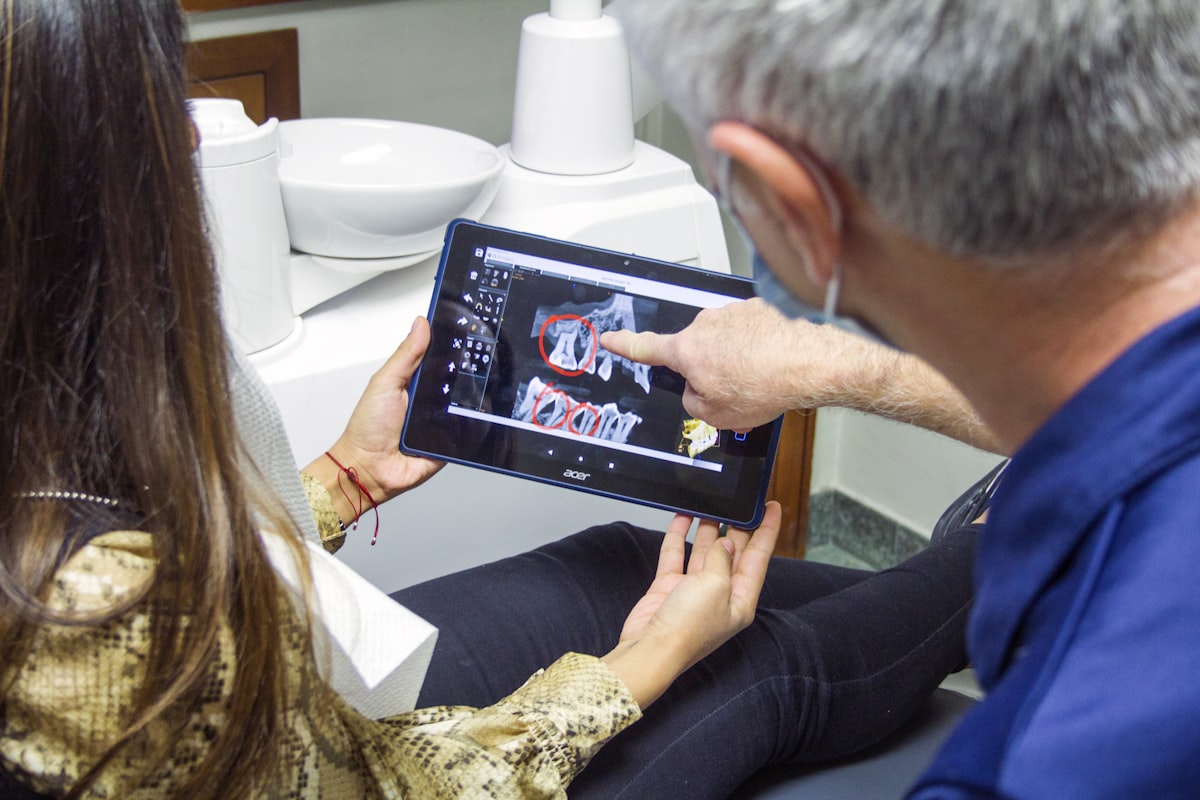
The integration of Trident X-View 3D CBCT into dental practices presents numerous benefits that significantly enhance diagnostic capabilities and overall patient care. One of the primary advantages is the enhanced diagnostic accuracy it provides. With the ability to visualize the oral and maxillofacial region in three dimensions, practitioners can detect issues that may not be visible on traditional radiographs, leading to more accurate diagnoses and treatment plans.
Improved patient outcomes are another key benefit of using Trident X-View. The detailed imaging allows for precise treatment planning, minimizing the risk of complications during procedures such as implants or orthodontic treatment. For instance, accurate imaging can help determine the optimal placement of dental implants, reducing the likelihood of implant failure and ensuring the best possible outcomes for patients.
In addition to enhancing patient care, the Trident X-View also contributes to time and cost efficiency for dental practices. By streamlining the diagnostic process, it reduces the time spent on consultations and follow-up appointments. Furthermore, high-quality imaging can decrease the need for additional imaging studies, thereby saving both time and resources for the practice. Overall, the adoption of Trident X-View 3D CBCT can lead to better workflow efficiency and increased profitability for dental practices.
Integration of Trident X-View into Dental Workflow
Successfully integrating the Trident X-View 3D CBCT into existing practice workflows is essential for maximizing its benefits. It begins with assessing the current workflow and identifying how the integration of 3D imaging can enhance existing processes. Dental practices should consider the specific needs of their patient population and the types of services they provide when implementing CBCT technology.
Training and support options for dental staff are vital for a smooth transition. Providing comprehensive training on the operation of the Trident X-View and interpreting the resulting images will empower staff to utilize the technology effectively. Many manufacturers offer training programs and ongoing support to ensure that dental teams are well-equipped to maximize the potential of their new imaging equipment.
Real-world case studies illustrate the successful integration of Trident X-View into dental practices. For example, a practice specializing in orthodontics saw significant improvements in treatment planning accuracy after implementing 3D CBCT. The ability to visualize tooth movement and bone structure in three dimensions allowed orthodontists to create more effective treatment strategies, resulting in improved patient satisfaction and outcomes. These success stories highlight the transformative potential of integrating advanced imaging technology into dental workflows.
Applications of Trident X-View 3D CBCT in Dentistry
The versatility of the Trident X-View 3D CBCT makes it applicable across various dental specialties, providing invaluable insights for treatment planning and execution. In orthodontics, for instance, 3D imaging facilitates precise treatment planning by allowing orthodontists to assess tooth alignment and spatial relationships in detail. This capability enhances the efficiency of treatment and often leads to faster results for patients.
In implantology, the Trident X-View plays a crucial role in surgical planning. Detailed 3D images help practitioners evaluate bone density and anatomy, enabling them to determine the ideal location and angulation for implant placement. This precision minimizes the risk of complications and maximizes the success rate of dental implants, resulting in better long-term outcomes for patients.
Furthermore, in endodontics, the Trident X-View is an essential tool for evaluating complex cases. The ability to visualize the root canal system in three dimensions allows endodontists to identify and treat issues such as root fractures, accessory canals, and periapical lesions more effectively. This level of detail can significantly enhance the success rates of endodontic treatments, ultimately improving patient care.
Understanding the Technical Aspects of Trident X-View
To fully appreciate the advantages of the Trident X-View, it is essential to understand the technical aspects that contribute to its performance. Digital imaging technology plays a crucial role in determining the quality of images produced. The use of high-resolution sensors ensures that the resulting images are clear and detailed, allowing practitioners to make informed decisions based on accurate data.
Voxel size is another significant factor in imaging quality. In 3D CBCT, the voxel represents a three-dimensional pixel, and its size can greatly impact the clarity of the images. Smaller voxel sizes lead to higher resolution images, allowing for more precise visualization of intricate structures. This capability is particularly beneficial in complex cases where detail is crucial for diagnosis and treatment planning.
Additionally, safety features and patient comfort considerations are paramount in the design of the Trident X-View. The equipment is engineered to minimize radiation exposure without compromising image quality, adhering to strict safety standards. Furthermore, the design prioritizes patient comfort, with features such as a compact footprint that allows for a more pleasant and less intimidating imaging experience. By prioritizing both safety and comfort, the Trident X-View enhances the overall patient experience in dental practices.
Market Position and Competitiveness of Trident X-View
The Trident X-View holds a strong position within the dental imaging market, thanks to its innovative features and exceptional performance. In comparison to competitor products, Trident X-View stands out due to its combination of advanced technology, user-friendly design, and competitive pricing. Many dental professionals have expressed satisfaction with the device's performance, citing its reliability and the quality of images produced.
Feedback from early adopters and industry experts underscores the Trident X-View's reputation for excellence. Practitioners have noted significant improvements in diagnostic capabilities and treatment outcomes since incorporating the device into their practices. Such positive feedback only reinforces the Trident X-View's competitive advantage within the dental imaging landscape, positioning it as a leader in the field.
Future Trends in Dental Imaging Technology
As technology continues to advance, the future of 3D imaging in dentistry holds exciting possibilities. Predicted advancements include improved imaging algorithms that enhance image quality while reducing radiation exposure even further. Additionally, the integration of artificial intelligence and machine learning may streamline image interpretation, aiding practitioners in making quick and accurate diagnoses.
Emerging technologies, such as augmented reality (AR) and virtual reality (VR), may also influence dental practices by providing immersive ways to visualize treatment plans and educate patients. Such technologies can enhance the patient experience, making it easier for practitioners to communicate complex concepts and treatment options.
The importance of staying updated with technology in dentistry cannot be overstated. As new imaging technologies emerge, dental practices that adopt these advancements will be better equipped to provide high-quality care and remain competitive in a rapidly evolving landscape. Embracing new technologies like Trident X-View will not only enhance diagnostic capabilities but also elevate the standard of patient care.
Conclusion: Embracing the Future of Dental Imaging
In summary, the adoption of Trident X-View 3D CBCT represents a significant advancement in dental imaging technology. Its enhanced diagnostic accuracy, improved patient outcomes, and integration into practice workflows offer compelling reasons for dental practices to consider this innovation. As the landscape of dental care continues to evolve, embracing advanced imaging technologies will be crucial in providing patients with the highest quality of care.
Encouraging dental practices to explore and implement new technologies is vital for driving progress within the field. The impact of advanced imaging on patient care is profound, enabling practitioners to deliver more precise diagnoses and effective treatment plans. As we look to the future of dental imaging, the Trident X-View stands as a beacon of innovation, leading the way toward a more efficient and patient-centered approach to dental care.