

Understanding Porcelain Veneers
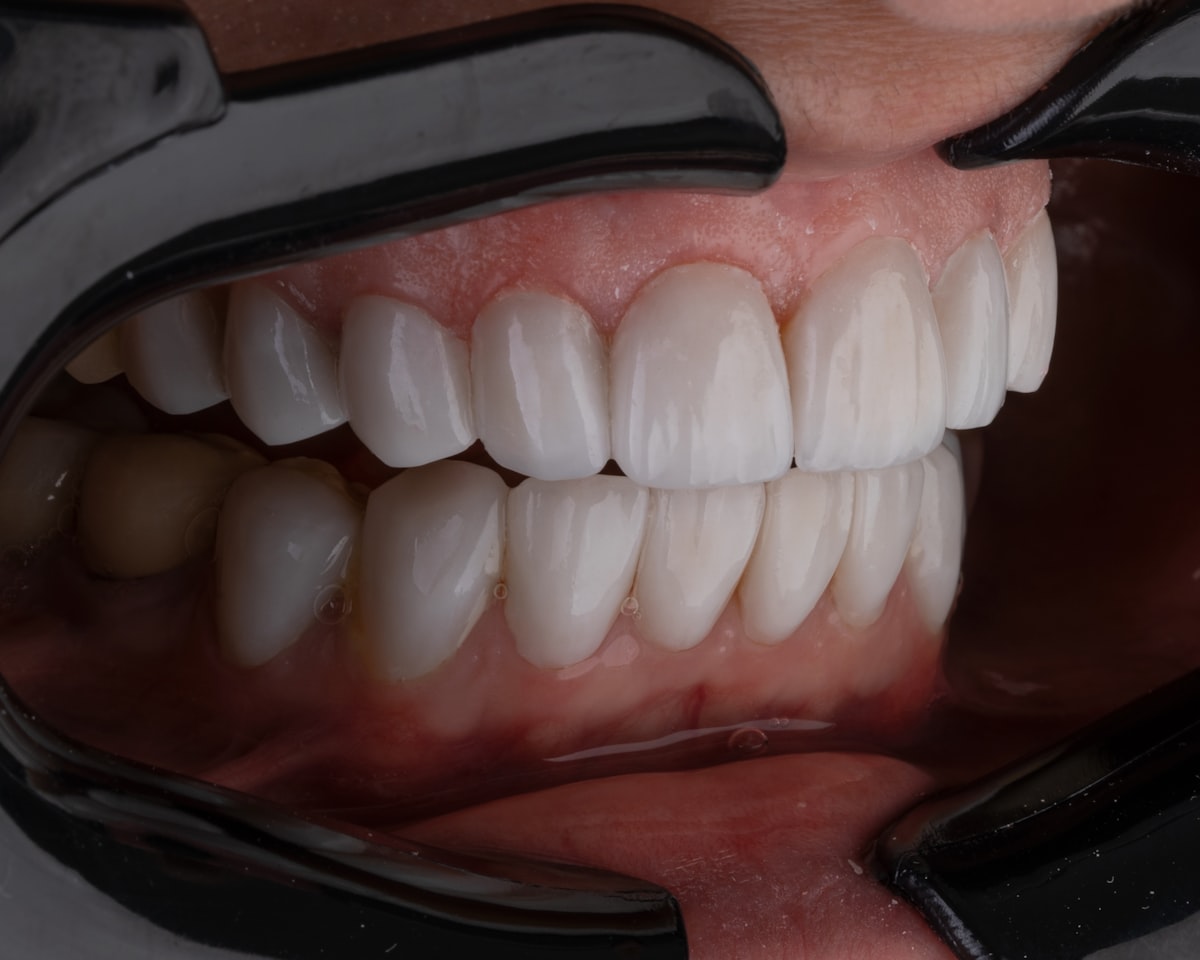
Porcelain veneers are thin, custom-made shells designed to cover the front surface of teeth, enhancing both their appearance and function. These dental veneers are primarily used to improve the aesthetics of a smile, addressing issues like discoloration, chipping, gaps, and misalignment. By bonding these shells to the teeth, dentists can transform a patient’s smile quickly and effectively.
The materials used in porcelain veneers typically comprise high-quality ceramic, which closely mimics the translucence and color of natural teeth. This allows the veneers to blend seamlessly with the surrounding dentition. Porcelain is known for its strength and resistance to staining, making it an ideal option for patients seeking a long-lasting solution to dental aesthetic issues.
When comparing porcelain veneers to other cosmetic dentistry options, such as composite bonding or teeth whitening, it becomes evident that veneers offer a more durable and aesthetically pleasing solution. While composite bonding may provide immediate results at a lower cost, it is generally less durable and more prone to staining. Teeth whitening can enhance the color of existing teeth but does not address structural issues or imperfections. Thus, porcelain veneers stand out as a more versatile option for achieving a radiant smile.
The Process of Applying Porcelain Veneers
The application of porcelain veneers involves a well-defined step-by-step process that ensures optimal results for the patient. Initially, a thorough consultation is essential. During this meeting, the dentist assesses the patient's dental health, discusses their cosmetic goals, and creates a personalized treatment plan that meets their needs.
The next step in the process is the preparation of the teeth. This often involves minimal tooth reduction to create space for the veneers, ensuring they fit comfortably and look natural. Techniques for minimal tooth preparation, such as no-prep veneers, have gained popularity due to their ability to preserve more of the tooth structure. This is particularly beneficial as it reduces discomfort during the procedure and enhances long-term dental health.
Once the teeth are prepared, impressions are taken to create custom veneers that will fit each patient perfectly. The dentist may place temporary veneers while the final products are being fabricated in a dental lab. After a few weeks, the temporary veneers are replaced with the permanent ones, and the dentist carefully bonds them to the teeth, ensuring a precise fit and optimal aesthetic results.
Benefits of Porcelain Veneers for Patients
Patients often seek porcelain veneers for the numerous benefits they offer. One of the most significant advantages is enhanced aesthetics. Porcelain veneers can dramatically transform a smile, providing a uniform appearance, correcting tooth shape, and improving color. This transformation not only creates a more attractive smile but also has a profound impact on patients' self-esteem and confidence.
Another benefit of porcelain veneers is their durability. When properly maintained, these veneers can last anywhere from 10 to 15 years, making them a worthy investment for many patients. Their resistance to staining and wear means that patients can enjoy the aesthetic benefits without the constant worry of discoloration commonly associated with other cosmetic options.
Additionally, the psychological advantages of receiving porcelain veneers cannot be overstated. Many patients report significant boosts in self-esteem and confidence after their treatment. A beautiful smile often leads to more social interactions, increased professional opportunities, and a general improvement in overall quality of life.
Increasing Case Acceptance with Effective Communication
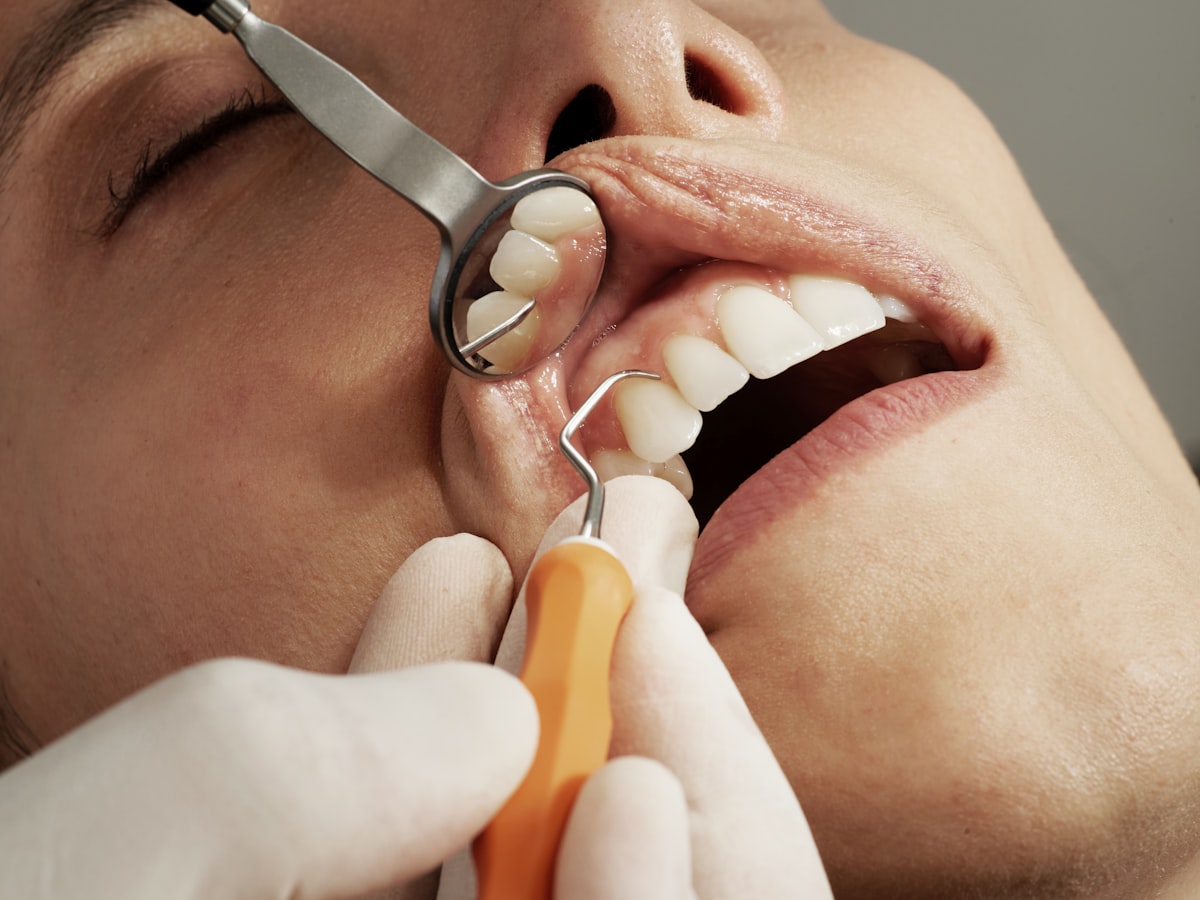
Effective patient communication is pivotal in increasing case acceptance rates for porcelain veneers. Building rapport and trust with patients is the first step in creating an environment where they feel comfortable discussing their concerns and desires. Dentists should take the time to listen actively and empathize with patients, ensuring they understand the transformative potential of porcelain veneers.
Utilizing visual aids, such as before-and-after photos of previous cases and digital simulations, can greatly enhance patient understanding. Demonstrating how veneers can improve their smile not only helps in visualizing the end result but also clarifies the process involved. Addressing common patient concerns and misconceptions—such as fears about pain, longevity, and maintenance—can further alleviate anxiety and encourage acceptance of the proposed treatment.
Moreover, integrating tools like AiScriba can help dental practices streamline communications with patients. By ensuring that no inquiry goes unanswered, even after hours, practices can maintain a consistent flow of information and support, fostering patient engagement and satisfaction.
Minimally Invasive Dentistry Techniques
The field of cosmetic dentistry has seen a significant shift towards minimally invasive techniques. These methods prioritize patient comfort and preserve as much tooth structure as possible. Minimally invasive approaches to porcelain veneers often involve techniques that require little to no tooth preparation, which can significantly reduce the discomfort associated with traditional methods.
Benefits of these minimally invasive techniques include quicker recovery times, reduced sensitivity, and a lower overall risk of complications. Patients often experience less anxiety when they know that their procedure will be less invasive. Long-term outcomes show that minimally invasive treatments can provide high levels of patient satisfaction, as they balance aesthetic desires with the preservation of natural tooth health.
Patient Education: Key to Satisfaction and Retention
Patient education plays a crucial role in treatment decisions and overall satisfaction. By providing patients with comprehensive information about porcelain veneers, including the benefits, risks, and care, dental practices empower their patients to make informed decisions. Educational materials can include brochures, videos, and digital resources that explain the veneer process in detail.
Utilizing social media platforms and websites to disseminate educational content can reach a wider audience and enhance patient understanding. Engaging patients with interactive content, such as Q&A sessions or live demonstrations, can further strengthen their knowledge and confidence in their treatment choices.
Encouraging patient questions and feedback is also vital. When patients feel their concerns are heard and addressed, they are more likely to be satisfied with their overall experience, leading to higher retention rates and positive referrals.
Real-Life Case Studies and Success Stories
Presenting real-life case studies and success stories can be a powerful way to illustrate the effectiveness of porcelain veneers. Before-and-after scenarios often highlight the dramatic changes that can occur with this treatment. For instance, a patient with severely discolored teeth might undergo a veneer application, resulting in a bright, uniform smile that enhances their facial aesthetics.
Patient testimonials further reinforce the benefits of porcelain veneers. Many individuals share their experiences, detailing how the procedure has positively impacted their lives, from improved self-confidence to increased social interactions. Hearing firsthand the challenges they faced and how those were overcome can provide reassurance to prospective patients considering similar treatments.
Continuing Education and Staying Updated
For dental professionals, staying updated with the latest advancements in porcelain veneers and cosmetic dentistry is essential. Ongoing training and workshops allow practitioners to refine their skills and learn about new techniques and materials that can enhance patient outcomes. Participating in professional organizations or attending industry conferences can also provide valuable networking opportunities and insights into emerging trends.
Resources for further learning can include online courses, dental journals, and specialized webinars focusing on cosmetic dentistry. By committing to lifelong learning, dentists can ensure that they remain at the forefront of their field, ultimately leading to improved patient care and satisfaction.
In conclusion, mastering porcelain veneers involves understanding their purpose, application process, and benefits while prioritizing effective patient communication and education. As dental practices continue to innovate and implement minimally invasive techniques, they can offer patients transformative solutions that enhance their smiles and confidence.