
Understanding Dental Insurance Eligibility
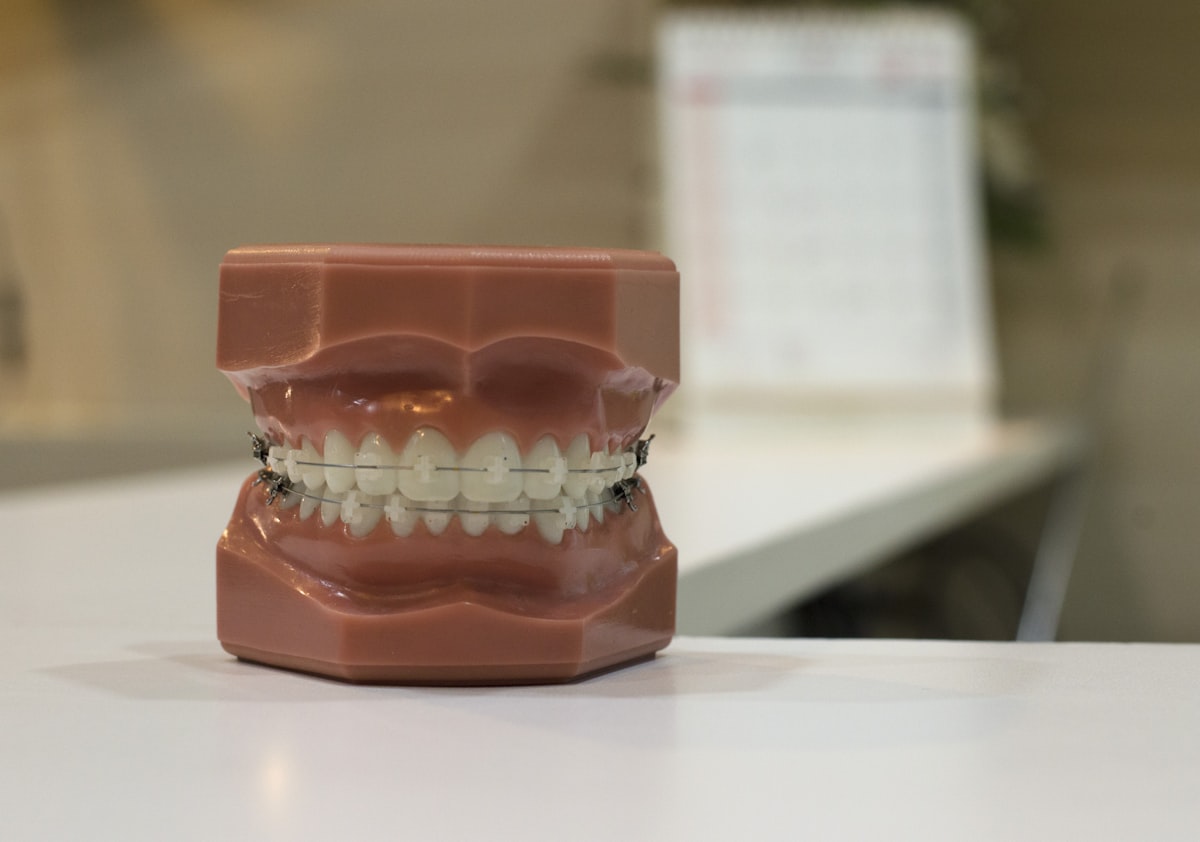
Dental insurance eligibility refers to the determination of whether a patient is eligible for dental benefits under a specific insurance plan. This concept is crucial for dental practices, as it directly impacts both patient care and the financial health of the practice. When patients are aware of their insurance coverage, they can make informed decisions regarding their dental health, which fosters better patient outcomes.
Insurance eligibility verification plays a vital role in dental practice management. When staff verify a patient's coverage before treatment, it prevents unexpected costs for patients, thereby enhancing their experience. For dental practices, understanding eligibility means reduced claim denials and improved revenue cycle efficiency. It’s estimated that over 30% of dental claims are denied due to eligibility issues, which can have a significant financial impact on practices.
Key components of insurance eligibility verification include the patient's personal information, insurance provider details, policy number, group number, and the specific benefits covered under the plan. Gathering this information accurately and promptly is essential for seamless operations within the dental practice.
Challenges in Insurance Eligibility Verification
Despite its importance, dental practices often face significant challenges in verifying insurance eligibility. Common issues include outdated patient information, which can lead to incorrect eligibility assessments. For instance, if a patient's address or insurance provider has changed, the practice may be unable to confirm the patient’s benefits accurately. This situation can result in billing complications and disgruntled patients.
Moreover, communication breakdowns between dental offices and insurance providers can hamper the verification process. Misunderstandings or delayed responses can cause frustration for both staff and patients, leading to longer wait times and potentially, decreased patient retention. It's crucial for dental practices to maintain up-to-date records and establish clear channels of communication with insurance companies to mitigate these issues.
The Process of Verifying Insurance Eligibility
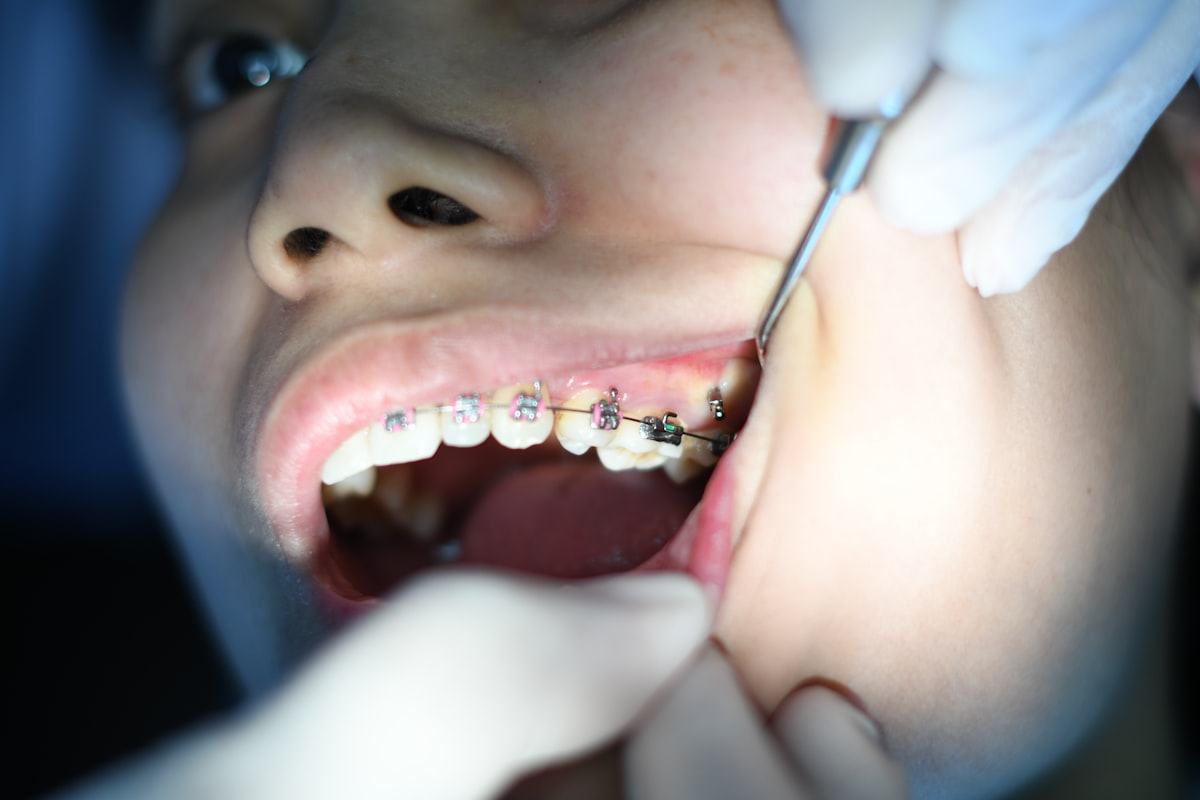
The eligibility verification process can be broken down into several key steps to ensure accuracy and efficiency. First, dental practices should gather necessary patient information at the time of appointment scheduling. This includes personal details, insurance provider information, and any relevant medical history that may affect treatment.
Next, practices should develop a standard procedure for contacting insurance providers. This involves calling the insurance company directly or using online portals to confirm benefits. Staff should be trained to ask specific questions related to coverage, such as co-pays, deductibles, and any limitations or exclusions on the patient's plan.
Effective communication with insurance providers is critical. Dental staff should document any responses received and follow up promptly on outstanding verification requests. It’s also beneficial to utilize automated systems or tools that can streamline this process, enhancing both operational efficiency and patient care.
Benefits of Accurate Insurance Eligibility Verification
Accurate insurance eligibility verification provides several benefits that can significantly enhance patient satisfaction. By confirming coverage before treatment, practices can reduce the likelihood of surprise billing, which can lead to patient dissatisfaction and even lost business. Timely verification means patients understand their financial responsibilities upfront, leading to a more transparent and positive experience.
In addition to enhancing patient satisfaction, accurate verification helps reduce claim denials, thereby increasing revenue cycle efficiency. When dental practices verify eligibility correctly, they can submit claims that align with the patient’s coverage, which minimizes the risk of denials due to eligibility issues. This proactive approach can lead to a healthier bottom line and a more streamlined administrative process.
Moreover, accurate eligibility verification saves staff time. With a robust workflow in place, dental practices can minimize the back-and-forth communication required to resolve billing issues. This enables staff to focus on patient care rather than administrative tasks, ultimately improving operational efficiency.
Technological Solutions for Insurance Verification
As technology continues to advance, dental practices have access to a variety of tools that can assist in the insurance verification process. Current technologies include automated eligibility verification systems that integrate with practice management software. These systems can quickly check insurance data against existing databases, drastically reducing the time required for manual verification.
Integrating technology into dental practice management is essential for enhancing operational efficiency. By adopting automated systems, practices can ensure timely and accurate insurance verification, which can lead to improved patient experiences and financial outcomes. Additionally, the ability to access insurance data electronically simplifies the workflow for staff and reduces the chances of human error.
Looking ahead, future trends in insurance verification technology may include more sophisticated AI-driven solutions that can analyze patient data and provide real-time updates on eligibility status. This advancement could enable practices to respond to patient inquiries instantly, further enhancing the patient experience.
Best Practices for Dental Practices
To establish a robust insurance verification workflow, dental practices should consider implementing several best practices. First, it’s essential to streamline the intake process by ensuring that staff collect complete and accurate patient information at the time of scheduling. This foundational step can significantly reduce verification errors later on.
Training staff to handle insurance eligibility inquiries efficiently is also crucial. Dental teams should be well-versed in the types of questions to ask insurance providers and how to interpret the information received. Regular training sessions can keep staff updated on changes in insurance policies and best practices for verification.
Developing a patient communication strategy for insurance verification is equally important. Practices should inform patients about the verification process and what they can expect regarding their coverage. Providing this information upfront can help manage expectations and foster a sense of trust between the practice and its patients.
Case Studies: Successful Implementation of Verification Solutions
Numerous dental practices have demonstrated successful implementations of effective insurance verification solutions. For example, a dental practice in California revamped its eligibility verification process by integrating a new automated system. This technology allowed them to verify insurance coverage in real-time, leading to a 40% reduction in claim denials and significantly improved cash flow.
Another practice faced challenges with outdated patient information, which often resulted in billing errors. By establishing a regular schedule for updating patient records and leveraging automated communication tools, including solutions like AiScriba, they improved their overall patient engagement and reduced the time spent on administrative tasks by 30%.
These case studies highlight the importance of adapting to new technologies and workflows to overcome common challenges in insurance verification. The key takeaway is that practices should remain flexible and open to change, continually seeking ways to enhance their processes.
The Future of Dental Insurance Eligibility
As we look toward the future, insurance eligibility verification is likely to evolve significantly over the next decade. Predictions suggest that advances in healthcare technology will lead to more integrated systems that can share insurance data across multiple platforms securely. This could enhance the accuracy of eligibility verification and streamline the patient experience.
Regulatory changes may also impact dental practices in terms of insurance verification. As healthcare policies continue to shift, practices must stay informed and agile, adapting to new compliance requirements as they arise. Being proactive in understanding these changes will be crucial for maintaining operational efficiency and ensuring quality patient care.
In preparation for future challenges in insurance verification, dental practices should focus on adopting new technologies, training staff on updated processes, and fostering strong relationships with insurance providers. By doing so, they can enhance their service offerings and ensure they are well-equipped to meet the evolving demands of the dental industry.