
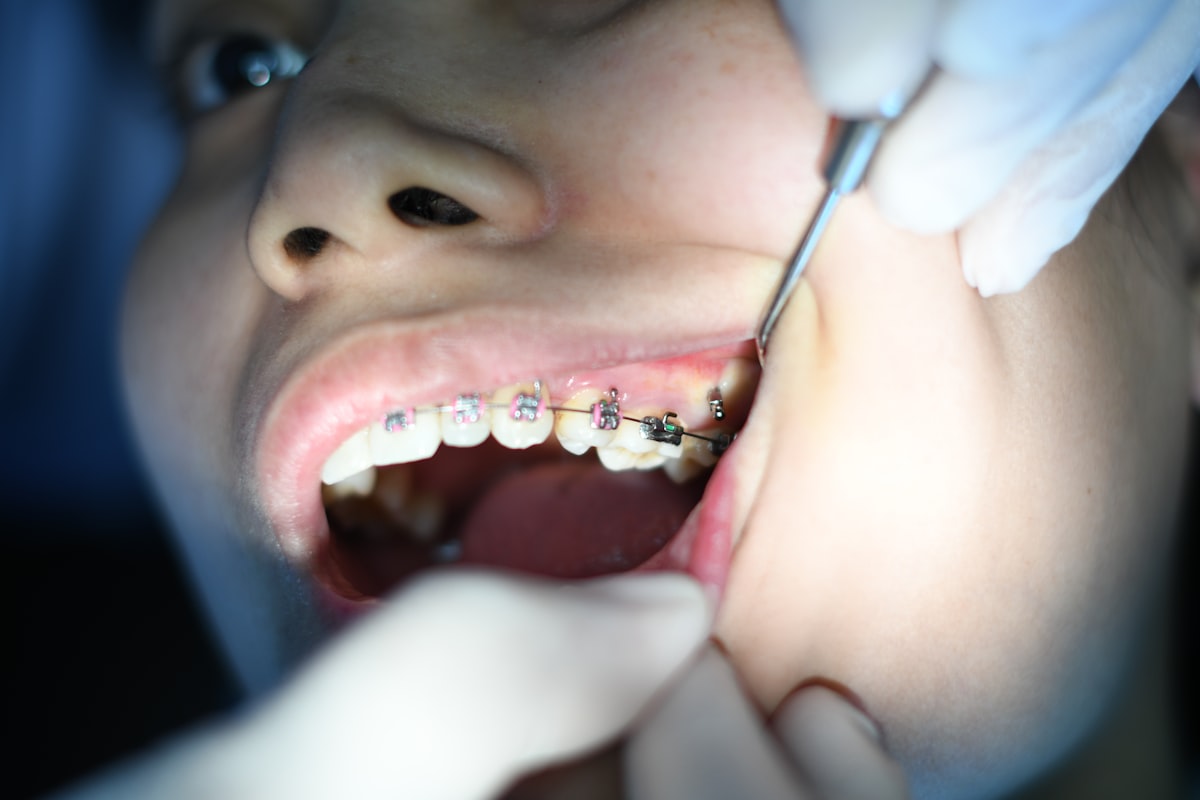
Introduction to Discolored Dentition
Discolored dentition refers to any alteration in the natural color of teeth, which may manifest as staining, yellowing, or a dull appearance. This issue is prevalent in dental practices, with numerous patients seeking solutions to restore the aesthetic appeal of their smiles. According to a survey by the American Academy of Cosmetic Dentistry, 74% of adults believe that an unattractive smile can hinder their career success. Thus, understanding the causes and types of discoloration is vital for dental professionals.
Identifying the type of discoloration is significant because it influences the treatment approach. Discoloration can be categorized broadly into intrinsic and extrinsic types, each stemming from different causes and requiring distinct management strategies. Throughout this article, we aim to provide a comprehensive overview of discolored dentition, including its causes, diagnosis, and treatment options. Dental practitioners can expect to learn about the latest techniques for diagnosis, explore various treatment modalities, and understand preventive measures to help their patients maintain a bright smile.
Types of Discolored Dentition
Discolored dentition can be classified into two primary categories: intrinsic and extrinsic discoloration. Understanding the distinctions between these types is crucial for determining the appropriate treatment.
Intrinsic Discoloration
Intrinsic discoloration occurs from within the tooth structure. This category of discoloration may be caused by several factors, including:
- Genetics: Some individuals may inherit a predisposition to intrinsic stains, such as those caused by conditions like dentinogenesis imperfecta.
- Medications: Certain medications, particularly tetracycline antibiotics, can lead to significant staining during tooth development.
- Trauma: Injury to a tooth can result in internal bleeding or damage to the dental pulp, leading to discoloration.
- Fluorosis: Excessive fluoride exposure during childhood can lead to dental fluorosis, characterized by white spots or brown stains on teeth.
Extrinsic Discoloration
Extrinsic discoloration, on the other hand, is primarily caused by external factors that stain the enamel surface. Common causes include:
- Dietary Choices: Consuming pigmented foods and beverages, such as coffee, tea, red wine, and berries, can lead to staining over time.
- Tobacco Use: Smoking or chewing tobacco can produce dark stains on teeth due to the tar and nicotine.
- Poor Oral Hygiene: Inadequate brushing and flossing can allow plaque and tartar to accumulate, leading to yellowing of teeth.
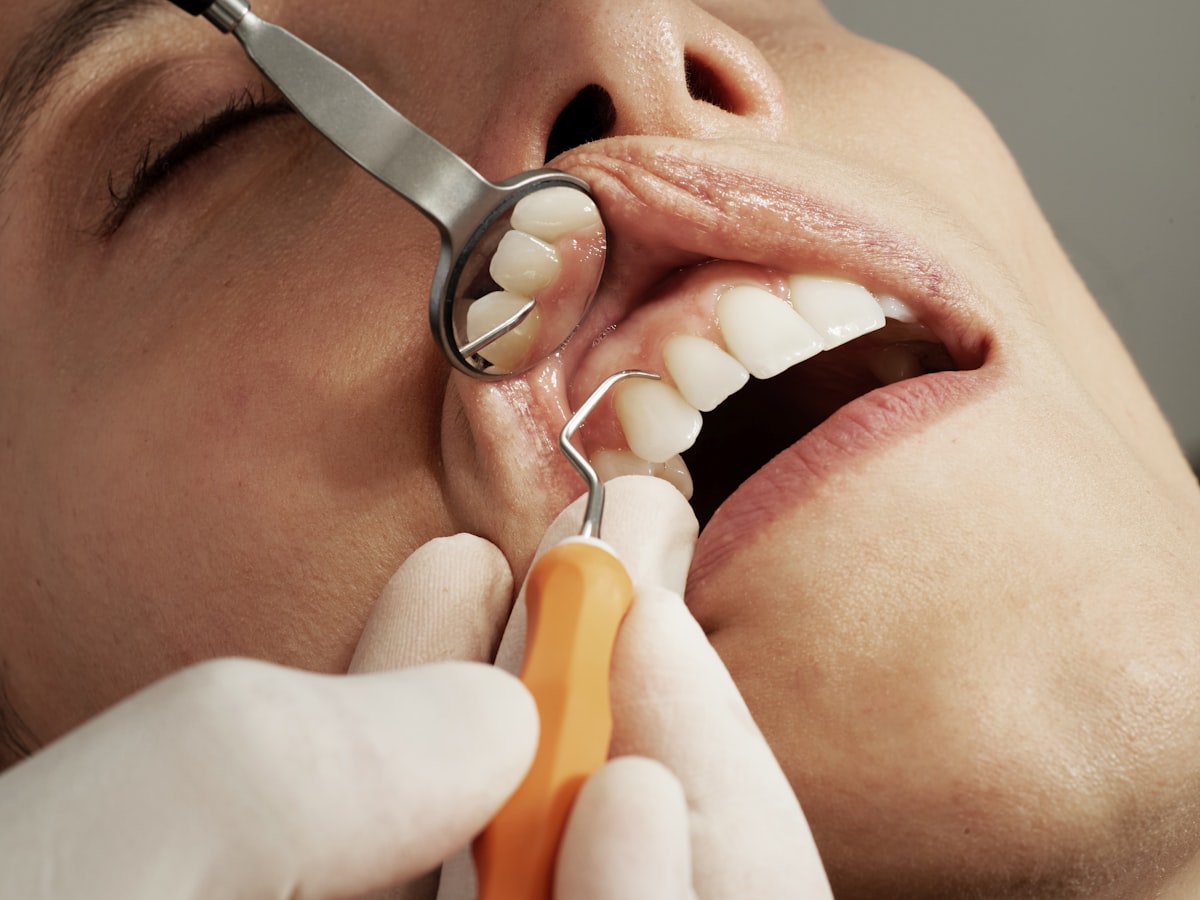
Understanding White Spot Lesions
White spot lesions are a common type of intrinsic discoloration that can significantly impact oral health. They present as opaque white patches on the enamel surface and are often indicative of enamel demineralization, which may signal the onset of dental caries.
The etiology of white spot lesions can be multifactorial. Factors contributing to their development include:
- Poor Oral Hygiene: Insufficient brushing can lead to plaque accumulation and subsequent demineralization.
- Diet: High sugar diets can exacerbate the risk of demineralization as bacteria metabolize sugars to produce acids that erode enamel.
- Orthodontic Treatment: Patients undergoing orthodontic care may find it more challenging to maintain proper oral hygiene, leading to an increased risk of white spot formation.
Treatment options for white spot lesions focus on remineralization and aesthetic improvement. Fluoride treatments, sealants, and minimally invasive cosmetic procedures, such as microabrasion and whitening, can help restore the appearance of affected teeth. Preventive measures include encouraging patients to maintain excellent oral hygiene and to use fluoride toothpaste to provide added protection against enamel erosion.
The Role of Dental Fluorosis in Discoloration
Dental fluorosis is a condition that arises from excessive fluoride exposure during the early years of tooth development. It can lead to changes in the appearance of teeth, ranging from mild white spots to severe discoloration and enamel pitting.
The prevalence of dental fluorosis varies by region and fluoride exposure levels. According to the Centers for Disease Control and Prevention, about 25% of children aged 6 to 19 years in the United States have some degree of dental fluorosis. This condition presents a public health challenge, as it may affect children's self-esteem and willingness to smile.
Management of dental fluorosis often involves cosmetic procedures to enhance the appearance of discolored teeth. Treatments include microabrasion, bleaching, and restorative options such as veneers or crowns for more severe cases. In addition to these treatments, public health education regarding appropriate fluoride usage is essential to prevent future cases of dental fluorosis.

Diagnostic Techniques for Identifying Discolored Dentition
Accurate diagnosis of discolored dentition requires a comprehensive evaluation of clinical findings, patient history, and appropriate diagnostic tools. The following techniques are essential for assessing discoloration:
Clinical Examination Techniques
A thorough clinical examination is the first step in diagnosing discolored teeth. Practitioners should:
- Conduct a visual inspection of teeth to identify discoloration patterns and associated oral health issues.
- Assess the texture and surface integrity of the enamel to distinguish between intrinsic and extrinsic stains.
- Evaluate the patient's overall oral hygiene and history of dental treatments.
Use of Diagnostic Tools
In some cases, diagnostic tools can enhance the evaluation process. Radiographs, for example, can help identify underlying dental issues that may not be visible during a clinical exam. These imaging techniques can reveal the extent of enamel demineralization or structural abnormalities that may contribute to discoloration.
Importance of Patient History
A detailed patient history is crucial for understanding the factors contributing to discoloration. Practitioners should inquire about:
- Dietary habits and lifestyle choices, such as smoking or beverage consumption.
- Medications taken, especially during childhood.
- History of dental treatments, including orthodontic work and fluoride exposure.
By integrating clinical findings with patient history and diagnostic tools, dental professionals can effectively identify the underlying causes of discoloration and tailor treatment plans accordingly.
Treatment Options for Discolored Dentition
Treatment options for discolored dentition vary based on the type of discoloration present. Understanding these options allows dental professionals to provide the best care to their patients.
Whitening Treatments for Extrinsic Stains
Extrinsic stains can often be effectively treated with whitening treatments. Options include:
- In-office Whitening: This method utilizes stronger bleaching agents, often yielding immediate results. It involves a professional application during a single visit.
- At-home Whitening Kits: These kits provide patients with custom trays and a lower concentration of bleaching agents, allowing for gradual whitening over time.
Restorative Options for Intrinsic Stains
For intrinsic stains, restorative options become more relevant. Approaches include:
- Veneers: Porcelain or composite resin veneers can cover discolored teeth, providing a natural-looking solution.
- Crowns: In situations involving significant discoloration or structural damage, crowns can restore both function and aesthetics.
Minimally Invasive Techniques
Minimally invasive techniques, such as dental bonding and microabrasion, can be effective for treating discolored teeth without the need for extensive procedures. These methods preserve more of the natural tooth structure while improving aesthetics. Additionally, incorporating platforms like AiScriba into your practice can help streamline appointment scheduling and improve patient communication about these treatment options.
Preventive Strategies in Managing Discolored Dentition
Prevention plays a key role in managing discolored dentition. By implementing effective strategies, dental professionals can help patients maintain their natural tooth color and overall oral health. Important preventive measures include:
Importance of Oral Hygiene
Encouraging patients to maintain excellent oral hygiene is essential. Regular brushing and flossing help remove plaque and prevent stains from setting in. Patients should be advised to:
- Brush at least twice a day using fluoride toothpaste.
- Floss daily to remove debris between teeth.
- Use mouthwash to help reduce plaque and bacteria.
Dietary Modifications
Patients should also be informed about dietary choices that can minimize staining. Suggestions include:
- Limiting consumption of stain-causing foods and beverages, such as coffee, tea, and red wine.
- Drinking water or rinsing the mouth after consuming pigmented items to reduce stain adherence.
- Incorporating crunchy fruits and vegetables into the diet, as they can help clean teeth naturally.
Regular Dental Check-ups
Encouraging patients to schedule regular dental check-ups is another essential preventive measure. Routine cleanings can help remove surface stains and allow for early detection of underlying issues that may lead to discoloration.
Case Studies and Real-Life Applications
Understanding how to apply theoretical knowledge in real-life situations is crucial for effective practice. Here, we present case studies that highlight successful approaches to treating discolored dentition.
Case Study 1: Extrinsic Staining from Dietary Choices
A 35-year-old male presented with severe extrinsic staining attributed to his heavy coffee consumption. After a thorough examination, the patient opted for in-office whitening treatment, resulting in a significant improvement in tooth color. The practitioner also provided dietary counseling to help prevent future discoloration.
Case Study 2: Intrinsic Staining from Tetracycline Use
A 20-year-old female sought treatment for intrinsic stains resulting from tetracycline use during childhood. Given the severity of the staining, the practitioner recommended porcelain veneers to enhance the patient’s smile. This case underscored the importance of assessing patient history and tailoring treatments accordingly.
Lessons Learned
Each case demonstrates the significance of understanding the underlying causes of discoloration and using appropriate treatment modalities. Practitioners should always consider patient education and preventive strategies as part of comprehensive care.
Conclusion and Future Directions
Discolored dentition is a common concern that dental professionals frequently encounter. By understanding the causes, diagnostic techniques, and treatment options available, practitioners can effectively address this issue for their patients.
As the landscape of dental treatment continues to evolve, new technologies and treatment modalities will emerge. Continuous education and staying updated on best practices are essential for providing the highest level of care. By incorporating effective strategies and tools, such as automated receptionists and AI phone assistants, dental practices can enhance patient communication and streamline operations.
In conclusion, discolored dentition requires a thoughtful, multi-faceted approach that encompasses prevention, diagnosis, and treatment. By keeping abreast of developments in this field, dental professionals can ensure they provide optimal care for their patients, helping them achieve and maintain a healthy, bright smile.