

Introduction to ZimVie’s Molar Implant System
ZimVie has positioned itself as a leader in dental innovation, consistently pushing the boundaries of what's possible in the field of dental implants. With a commitment to enhancing patient outcomes through advanced technology, ZimVie is recognized for its high-quality products and solutions that meet the evolving needs of dental professionals and their patients alike.
The introduction of the Molar Implant System marks a significant advancement in dental implant technology. This system addresses the unique challenges associated with molar replacements, providing dental practitioners with a reliable solution that prioritizes precision, control, and stability. These attributes are paramount in ensuring successful implant procedures and long-term patient satisfaction.
Precision, control, and stability are not merely aspirations but essential elements that dictate the success of dental implants. The Molar Implant System embodies these principles, offering tools and techniques that enhance the overall effectiveness of dental implant procedures.
Key Features of the Molar Implant System
The Molar Implant System is designed with a variety of tools that streamline the implant placement process. These tools include surgical guides, specialized drills, and unique implant configurations, all crafted to facilitate an efficient workflow for clinicians. The inclusion of these advanced tools enables practitioners to navigate complex cases with increased confidence and precision.
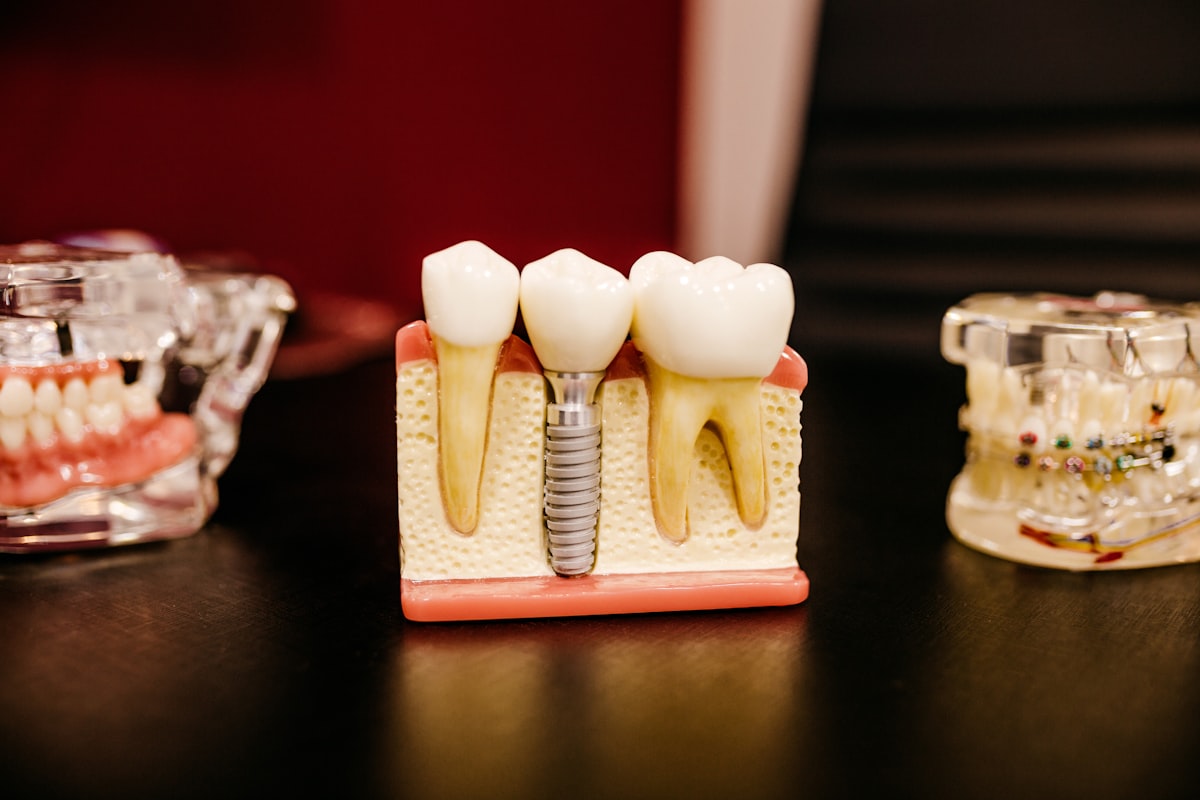
One of the standout features of the Molar Implant System is its wide-diameter implants. These implants are engineered to provide enhanced stability and support for molar replacements. The advantages of wide-diameter implants extend beyond mere strength; they also allow for greater bone-to-implant contact, thereby improving the chances of successful integration with the surrounding bone tissue.
Moreover, the Molar Implant System aids in easier site preparation for clinicians. The integrated tools are designed to simplify the surgical process, allowing dentists to prepare the implant site more efficiently. This ease of use not only saves time but also reduces the potential for errors during the procedure, ultimately benefiting both the clinician and the patient.
The Importance of Precision in Dental Implants
Precision is a critical factor that directly affects the success rate of dental implants. Studies have shown that the accuracy of implant placement significantly influences the longevity and functionality of the implant. When dental implants are placed with high precision, the risk of complications, such as implant failure or improper alignment, diminishes considerably.
Achieving precision during implant placement involves a careful and methodical approach. Techniques such as digital imaging and computer-guided surgery are integral to this process. These technologies allow practitioners to visualize the anatomical structures in detail, enabling them to make informed decisions regarding implant positioning and angulation.
Case studies showcasing successful outcomes using the Molar Implant System highlight the effectiveness of precision in dental implant procedures. For instance, one clinical trial demonstrated that patients who received wide-diameter implants with the Molar Implant System exhibited a 95% success rate after five years. These results underscore the system's ability to deliver consistent and reliable outcomes in the hands of skilled practitioners.
Control and Adaptability in Implant Procedures
Control during dental implant procedures is essential for ensuring predictable outcomes, especially in challenging cases. The Molar Implant System offers unparalleled flexibility, allowing clinicians to adapt their approach based on the specific needs of each patient. This adaptability is crucial when dealing with complex cases that may involve varying degrees of bone loss, soft tissue considerations, or anatomical challenges.
Strategies for maintaining control during extractions and placements are embedded within the design of the Molar Implant System. For instance, the use of guided surgery techniques helps practitioners to maintain accurate positioning throughout the procedure. This level of control not only enhances surgical outcomes but also boosts the confidence of dental professionals as they navigate intricate scenarios.
Having a controlled environment during implant procedures is particularly beneficial for complex cases. Clinicians can make real-time adjustments based on the patient's unique anatomy and requirements, leading to more favorable results. This capability is essential for minimizing complications and ensuring that implants are placed optimally for function and aesthetics.
Enhancing Stability with Advanced Technology
Stability is a critical factor in the long-term success of dental implants. Understanding the various factors that contribute to implant stability is essential for dental practitioners seeking optimal outcomes for their patients. Key stability factors include bone quality, implant design, and the surgical technique employed during placement.
ZimVie’s technology significantly contributes to long-term stability by employing advanced materials and design principles that promote osseointegration. For example, the surface treatment of the Molar Implant System is specifically engineered to encourage bone growth around the implant, enhancing its stability over time.
A comparative analysis of ZimVie’s Molar Implant System with other implant systems on the market reveals several advantages. Many other systems may not offer the same level of wide-diameter options or advanced surface treatments, potentially resulting in lower stability in challenging cases. This differentiation positions ZimVie as a valuable partner for dental practices aiming to deliver the best possible care to their patients.
Preventing Peri-Implantitis: A Key Benefit
Peri-implantitis, an inflammatory condition affecting the tissues surrounding dental implants, presents a significant challenge for dental practices. This condition can lead to bone loss and implant failure if not addressed promptly. Understanding the implications of peri-implantitis is crucial for practitioners aiming to provide comprehensive care.
The Molar Implant System helps in preventing peri-implantitis through its innovative design and materials that promote optimal healing and integration. The smooth surfaces and advanced contours of the implants minimize plaque accumulation, reducing the likelihood of inflammation and infection.
Best practices for maintaining implant health post-procedure are essential for preventing peri-implantitis. Regular monitoring, patient education on oral hygiene practices, and timely follow-ups are critical components that dental practices should implement. By incorporating these best practices alongside the use of the Molar Implant System, practitioners can significantly enhance patient outcomes and satisfaction.
Training and Education for Dental Practitioners
As with any advanced dental technology, proper training is essential for maximizing the benefits of the Molar Implant System. The importance of training in using this system cannot be overstated; it equips dental practitioners with the skills and knowledge necessary to utilize the technology effectively and safely.
ZimVie offers a variety of resources for practitioners looking to enhance their skills in using the Molar Implant System. These resources may include hands-on workshops, online training modules, and access to a wealth of educational materials that cover everything from surgical techniques to post-operative care.
The role of continuing education in adopting new technologies is paramount in today’s evolving dental landscape. As new advancements emerge, practitioners must stay informed about the latest techniques and tools available. This commitment to lifelong learning not only benefits the clinicians themselves but also enhances the quality of care they provide to their patients.
Future Trends in Dental Implant Technology
The future of dental implant technology holds exciting possibilities as advancements continue to emerge. Predictions for the evolution of dental implants include an increased emphasis on personalized solutions that cater to individual patient needs. As technology advances, we may see implants designed with even greater precision and customization, allowing for improved outcomes across diverse patient populations.
The impact of technological advancements on implant design and effectiveness cannot be overlooked. Innovations such as 3D printing and artificial intelligence are already beginning to change the landscape of dental implants, introducing new opportunities for efficiency and effectiveness. For example, tools like AiScriba help dental practices manage inquiries and appointments more effectively, allowing providers to focus on patient care and advanced procedures.
Practices should prepare for future developments by remaining proactive in their adoption of new technologies. Staying informed about emerging trends and investing in ongoing training will empower dental practitioners to embrace the future of dental implants with confidence and expertise.
Conclusion: The Impact of ZimVie’s Molar Implant System on Dental Practices
In summary, the Molar Implant System by ZimVie offers a range of benefits that significantly enhance the practice of dentistry. The focus on precision, control, and stability makes this system a valuable asset for dental practitioners. By integrating the Molar Implant System into their practice, clinicians can improve patient outcomes, reduce complication rates, and foster long-term success in implant dentistry.
Ultimately, the implications of using the Molar Implant System extend beyond individual procedures. They represent a commitment to innovative solutions that prioritize patient care and satisfaction. Dental practitioners are encouraged to explore the advantages of this system and consider how it can enhance their practice and the quality of care they provide.